Recurrent UTI
Home - Gynaecology - Recurrent UTI
Recurrent urinary tract infections
Recurrent urinary tract infections (UTIs) pose a significant health concern, particularly among young women, often leading to considerable morbidity. Defined by the occurrence of 2 or more acute UTIs within months or 3 within a year, distinguishing recurrent UTIs from relapsing infections is crucial for appropriate management.
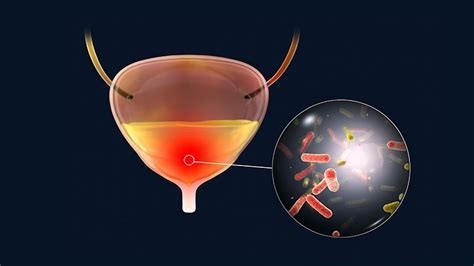
Treatment and Preventive Measures
Effective treatment and preventive measures, such as selective prophylaxis and lifestyle modifications, are essential components in mitigating further episodes, highlighting the importance of coordinated care between primary care clinicians and specialists.
- Anatomical defects that lead to stasis, obstruction, or urinary reflux increase predisposition to recurrent UTIs.
- Atrophic vaginitis can increase UTI risk.
- Bladder diverticula, especially those that do not drain well, are risks.
- Cystoceles and pelvic organ prolapse are important risk factors for recurrent UTIs in women.
- Functional defects, like overactive bladder and urinary incontinence, tend to lead to recurrent infections.
- Inadequate or incomplete treatment of the initial acute cystitis can cause recurrence.
- Increasing bacterial resistance to antibiotics predisposes individuals to UTI.
- Older men can often develop UTIs due to outlet obstruction or neurogenic bladder, causing urinary stasis and incomplete bladder emptying, which predisposes to an increased risk of UTIs.
- Recurrent UTIs are commonly seen in sexually active women without any identifiable structural abnormality or another predisposing condition.
- Several other lesions may predispose to recurrent UTIs, including intraluminal (bladder stones, neoplasms, indwelling catheters, stents, foreign bodies), intramural (ureteral stenosis/strictures), and extramural (inflammatory mass, fibrosis, extrinsic mass effect, or neoplasm) lesions.
- Ureteroceles, urinary fistula, and urolithiasis can contribute to UTI.
- Vesicoureteric reflux (VUR) is identified in up to 40% of children with a first UTI.