Prolapse
Home - Gynaecology - Prolapse
Prolapse
Pelvic organs prolapse (POP) is a bulge or lump in the vagina, which may affect your quality of life. Symptoms may include a heavy, dragging feeling or lump in the vagina, bladder or bowel problems and discomfort with sexual intercourse. It is difficult to know exactly how many women are affected by prolapse since many do not go to their doctor about it. However, it does appear to be very common, especially in older women. Half of women over 50 will have some symptoms of POP and by the age of 80 more than one in ten will have had surgery for prolapse.
What causes POP?
The main cause is injury to the ligaments and muscles, which make up the natural supporting tissue, which cradles the pelvic organs. It is more likely to result from:
- Pregnancy and childbirth. During pregnancy, the changes to your hormones and extra weight weaken your pelvic floor muscles. Pregnancy & birth are the most common causes of weakening of the pelvic floor, particularly if your baby was large, you had an assisted birth (forceps/ventouse) or your labour was prolonged. The more births a woman has, the more likely she is to develop a prolapse in later life; however, you can still get a prolapse even if you have not been pregnant or given birth.
- Menopause and age. Prolapse is more common as you get older, particularly after the menopause. After menopause, your body makes less of the female hormone oestrogen that helps keep vaginal tissue healthy and your pelvic floor strong.
- Menopause and age. Prolapse is more common as you get older, particularly after the menopause. After menopause, your body makes less of the female hormone oestrogen that helps keep vaginal tissue healthy and your pelvic floor strong.
- Constipation
- Being Overweight
- Smoking and/or a chronic cough.
- Inherited risk. Some women may have inherited a condition which increases the likelihood of developing POP.
How is POP diagnosed?
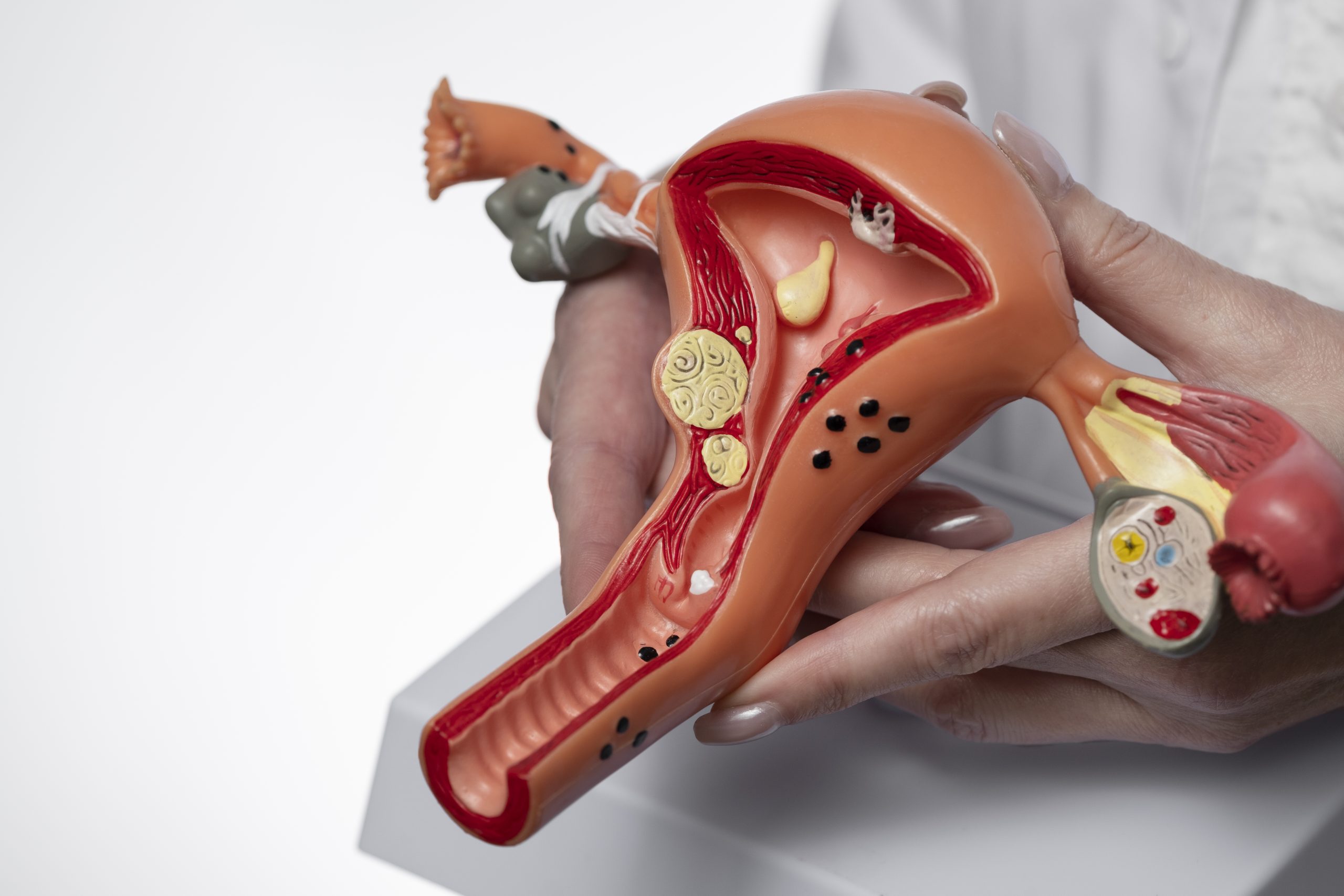
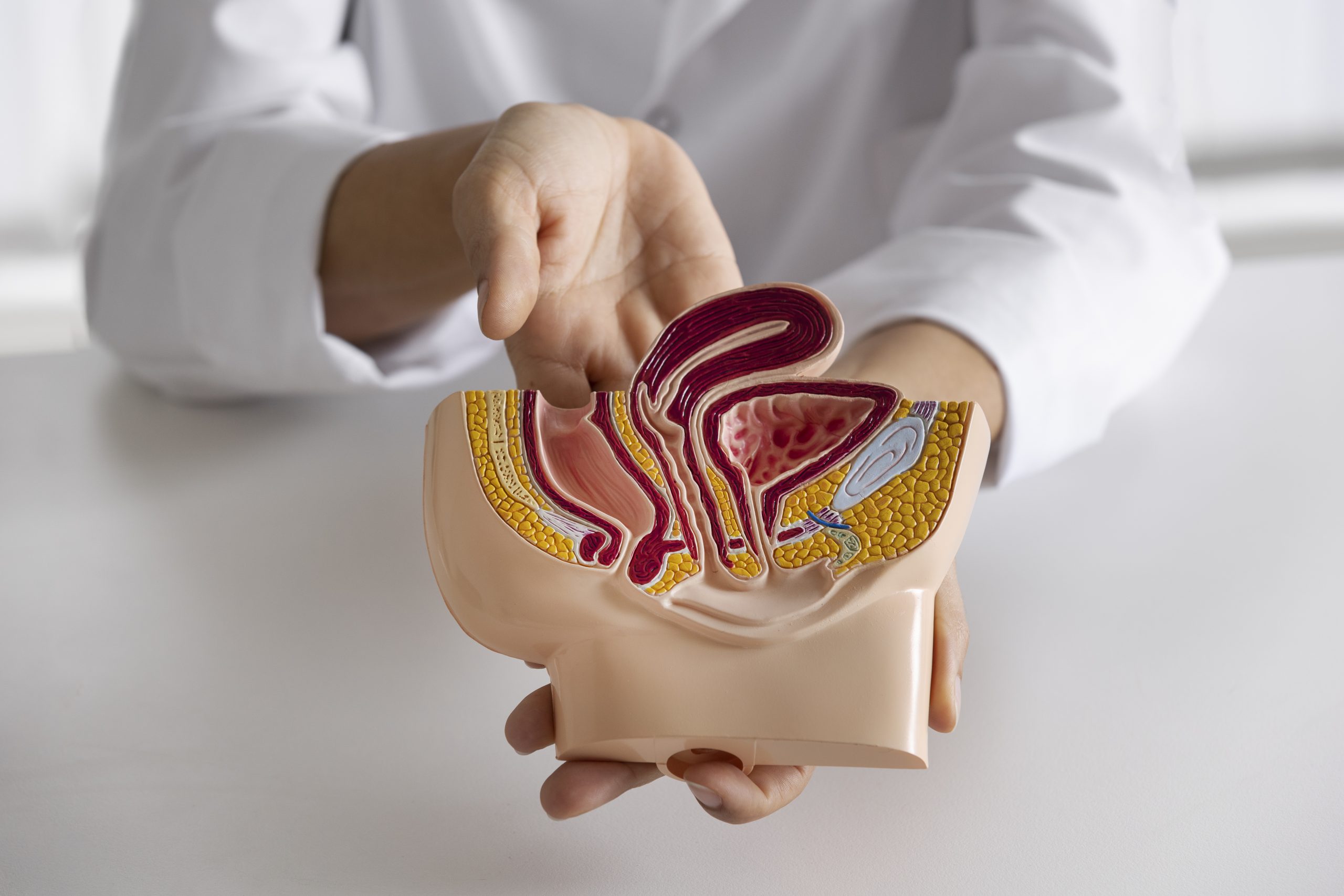
Your doctor will ask you questions about your medical history, including childbirth. Your doctor would normally perform a vaginal examination, including a speculum (a plastic or metal instrument to separate the walls of the vagina) to assess and measure the stage of prolapse There are different degrees or stages of severity of prolapse. Symptoms and treatment options may differ between the various types and degrees of pelvic organ prolapse. If you have any bladder symptoms, your doctor may recommend special bladder studies, known as a urodynamic assessment, to help diagnose the cause and determine the best treatment options for you.
What treatments are available?
If you only have a mild prolapse or have no symptoms from your prolapse, you may choose or be advised to take a ‘wait and see’ approach. Depending on your degree of POP, you may be recommended to consult a pelvic floor physiotherapist, and/or continence nurse advisor as first line of treatment. For a large POP (beyond the vaginal opening) physiotherapy alone will not correct the prolapse, Treatment options that may ease your symptoms and possibly prevent your prolapse from becoming worse include:
- General lifestyle changes. This may include maintaining a healthy weight, reducing / quitting smoking, avoiding constipation, avoiding heavy lifting or high impact exercise.
- Physiotherapy to assist with pelvic floor exercises: These exercises can be a very effective way of improving the symptoms of mild to moderate prolapse when they are carried out regularly over a period of time.
- Vaginal pessary. The pessary is a plastic or silicone device that fits into the vagina to help support the vaginal walls (usually the front wall) and uterus and less likely to help a posterior (back) wall prolapse.
Surgical treatments:
How severe your symptoms are and whether you choose to have surgery will depend on how much your prolapse affects your daily life. Not everyone with prolapse needs surgery but you may want to consider surgery if other options have not adequately helped. Surgery for prolapse aims to support the pelvic organs and restore them to their natural position and to help ease your symptoms. It cannot always cure the problem completely. There are a few possible operations and approaches. Surgery for prolapse can be performed either through the vagina or through the abdomen. Your gynaecologist will advise you regarding the surgical options. This will depend on your type of prolapse and your symptoms, as well as your age, general health and your gynaecologist’s training and experience with different procedures and your own preferences.
- Vaginal approach: This usually involves making an incision (cut) in the vagina, so you do not need a cut in your abdomen, separating the prolapsed organ from the vaginal wall and using stitches to suspend the uterus or top of vagina and repair the vaginal walls.
- Abdominal approach: This involves making an incision in the abdomen and using sutures and / or graft materials to support the vagina walls, top of vagina or uterus.
- Laparoscopic and robotic and robotic approaches: These procedures offer repairs similar to the open abdominal approach but often with quicker recovery time and smaller scars.