Hysterectomy-laparoscopic or Abdominal
Home - Gynaecology - Hysterectomy-laparoscopic or Abdominal
Hysterectomy – Robotic or Laparoscopic or vaginal
Hysterectomy is major surgery to remove the uterus (womb).
There are different types of hysterectomy. In a total hysterectomy, the cervix (the lower part of the uterus near the vagina) is also removed. In a subtotal hysterectomy, the uterus is removed without the cervix.
If you have a hysterectomy you might also have an oophorectomy and/or a salpingectomy. This means the ovaries or fallopian tubes (or both) are also removed.
Hysterectomy is mostly performed with minimally invasive surgery with laparoscopic or robotic route with minimal scars.
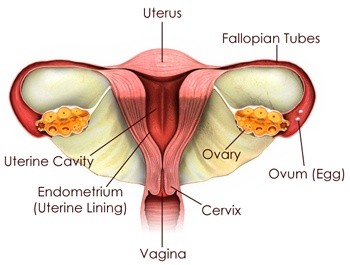
What are the various indications for hysterectomy?
There are different reasons why your doctor may recommend a hysterectomy. It may be because you have:
- cancer of the uterus, cervix, tubes or ovaries.
- heavy menstrual bleeding that hasn’t improved with other treatments.
- fibroids (non-cancerous lumps) in the uterus.
- a prolapsed uterus
- severe chronic (ongoing) pelvic pain — for example, due to endometriosis or adenomyosis.
- pelvic inflammatory disease
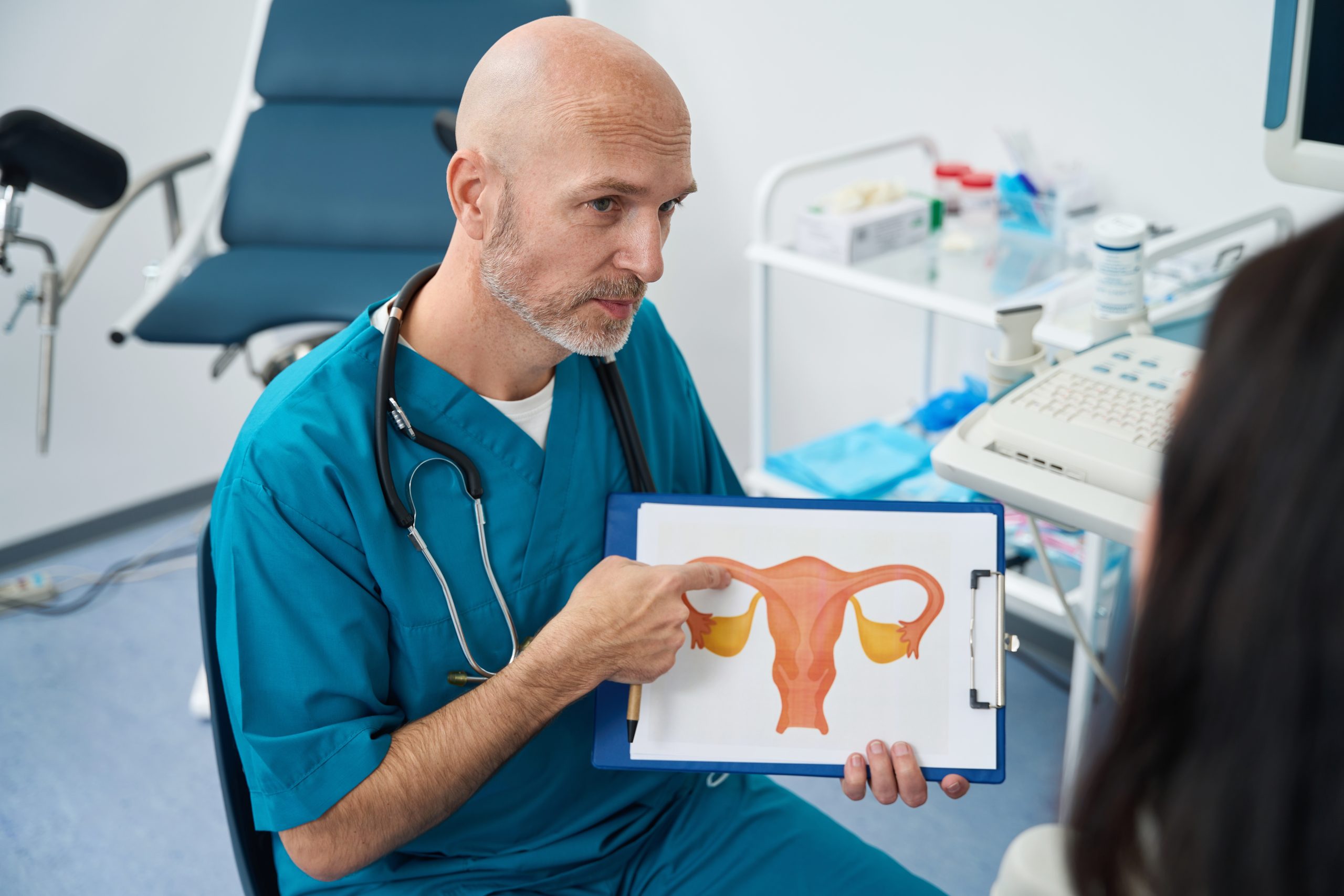
Types of hysterectomy surgery
Hysterectomy surgery may be:
- abdominal — where the uterus is removed through a cut in your abdomen.
- vaginal — where the uterus is removed through your vagina that is mainly performed if there is significant prolapse.
- laparoscopic — where a camera and instruments are passed through small cuts in your abdomen to help remove the uterus.
You can discuss with your doctor the best type for you.
You will usually have a general anaesthetic, and the operation takes about an hour.
A hysterectomy is a common and safe procedure. However, as with any surgery, there are risks that you should discuss with your doctor.
Risks include:
- bleeding
- infection of the surgical wound
- urinary tract infection
- blood clots
- injury to organs near the uterus, such as the bladder, ureters or bowel
- reactions to the anaesthetic
A hysterectomy is a common and safe procedure. However, as with any surgery, there are risks that you should discuss with your doctor.


Recovering from hysterectomy surgery
After having a hysterectomy, you’ll be in hospital for 3 to 5 days.
You may have light vaginal bleeding for up to 2 weeks after surgery. Pain should settle down within a week after a vaginal or laparoscopic hysterectomy. It usually takes a bit longer for pain to settle after an abdominal hysterectomy.
Your health team will advise you not to lift heavy objects or do anything physically demanding for 4 to 6 weeks. You may be off work for 2 to 6 weeks, depending on your job. It’s important to avoid having penetrative (vaginal or anal) sex for 6 to 8 weeks while the area heals.