Menopause
Home - Gynaecology - Menopause
Menopause
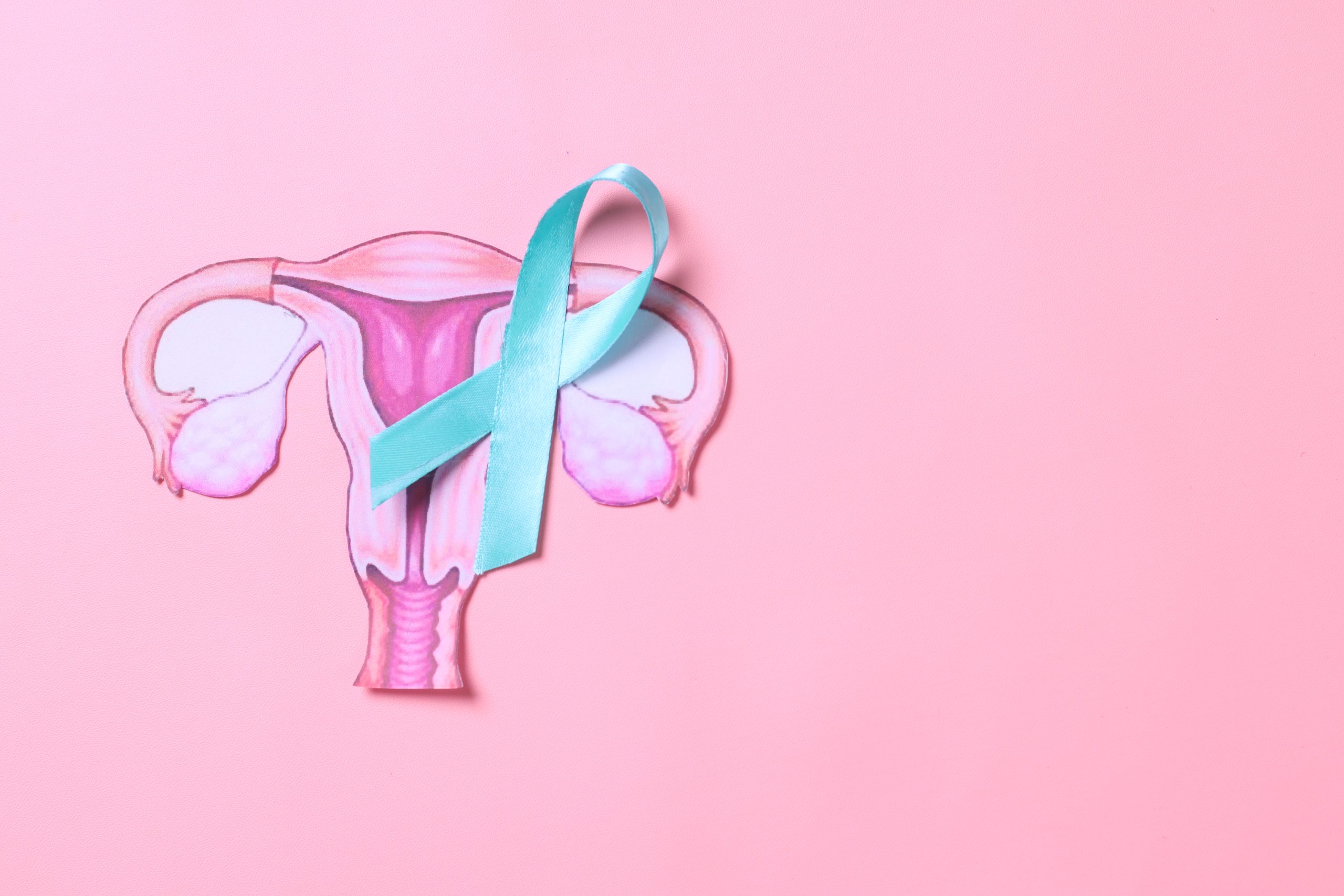
Menopause is that time in a woman’s life when the ovaries stop producing estrogen and she stops having periods. Menopause is a natural biological process, not a medical problem. Although it’s associated with hormonal, physical and psychosocial changes in your life, menopause isn’t the end of your youth or your sexuality.
Menopause is usually a natural process. But certain surgical or medical treatments can bring on menopause earlier than expected. These include:
- Surgical removal of ovaries
- Chemotherapy and radiation therapy. These cancer therapies can induce menopause. But they usually do so gradually, and you may have months or years of perimenopausal symptoms before you actually reach menopause.
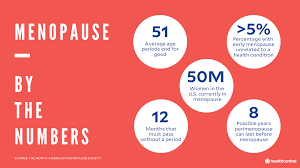
Menopause does not occur overnight, it is gradual and most people reach menopause between the ages of 45 and 55, the average being around 50. This depends on the individual body development and hormone levels. As you approach menopause the production of hormones (for example
estrogen) by the ovaries starts to slow down. As this process accelerates, hormone levels fluctuate more and often a woman notices changes in her menstrual cycle:
- Cycles may become longer, shorter or totally irregular.
- Bleeding may become lighter
- Bleeding may become unpredictable and heavy.
Eventually the hormone levels will fall to a level where menstruation (periods) will cease altogether and the menopause is reached.
Other signs and symptoms
- Hot flushes. As your estrogen level drops, your blood vessels may expand rapidly, causing your skin temperature to rise.
- Decreased fertility. When ovulation begins to fluctuate, you’re less likely to become pregnant. Until you haven’t had a period for a year, however, pregnancy is still possible.
- Vaginal changes. As your estrogen level declines, the tissues lining your vagina and urethra — the opening to your bladder — become drier, thinner and less elastic. With decreased lubrication you may experience burning or itching, along with increased infections of the urinary tract or vagina. These changes may make sexual intercourse uncomfortable or even painful.
- Sleep disturbances and night sweats. Night sweats are often a consequence of hot flushes. You may awaken from a sound sleep with soaking night sweats followed by chills. You may have difficulty falling back to sleep or achieving a deep, restful sleep.
- Changes in appearance. After menopause, the fat that once was concentrated in your hips and thighs may settle above your waist and in your abdomen. You may notice a loss of fullness in your breasts, thinning hair and wrinkles in your skin.
- Emotional changes. As you go through menopause, you may experience mood swings, be more irritable or be more prone to emotional upset.

However, women sometimes experience several of these symptoms:
- Aches and pains
- Crawling or itching sensations under the skin
- Forgetfulness
- Headaches
- Irritability
- Lack of self-esteem
- Reduced sex drive (libido)
- Tiredness
- Urinary frequency
Risks
Several chronic medical conditions tend to appear after menopause. By becoming aware of the following conditions, you can take steps to help reduce your risk:
- Osteoporosis. During the first few years after menopause, you lose calcium from your bones at a much faster rate, which increases your risk of osteoporosis. Osteoporosis causes bones to become brittle and weak, leading to an increased risk of fractures. It’s also important to engage in regular, weight-bearing exercise to keep your bones strong.
- Cardiovascular disease. At the same time your estrogen levels decline, your risk of cardiovascular disease increases.
- Stress urinary incontinence. As the tissues of your vagina and urethra lose their elasticity, you may experience stress urinary continence — a condition that may cause you to leak urine during coughing, laughing or lifting — for the first time, or it may worsen.
- Weight gain. As your body’s metabolism — the rate at which you burn calories — slows and estrogen levels decline, your body weight and shape will likely change. You may need to cut down your food intake — perhaps as much as 200 to 400 fewer calories a day — and exercise more, just to maintain your current weight. Exercises also help in prevention of osteoporosis.


Manage the menopause with a healthy lifestyle
Often, if you improve your lifestyle habits, unpleasant symptoms of the menopause will be greatly reduced, so try these first:
Healthy diet
Choose a wide variety of foods, including plenty of fresh vegetables, fruits, cereals, whole grains and small portions of lean meat, fish or chicken several times per week.
- Increase fluids and eat low fat dairy foods with high calcium content
- Decrease caffeine and limit alcohol (1-2 standard glasses or less, per day)
Exercise
Regular exercise – at least 45 minutes three times per week
Avoid smoking
It’s important to avoid smoking because of the associated risk of osteoporosis, coronary heart disease and lung cancer.
Regular Pap smear and breast checks
You should have:
- Yearly Pap smear
- Yearly mammogram
Hormone replacement therapy
Hormone replacement effectively reduces many of the unpleasant effects of symptoms of the menopause. If you are also in a category at risk of osteoporosis, hormone replacement could be considered as it can stop the progression of osteoporosis disease. Discuss the advantages and disadvantages of hormone replacement with your own doctor.